
Yulieth Mora Ombligon

Acidity: Bright
Producer: Yulieth Mora
Variety: Ombligon
Growing Elevation: 1680 Meters
Processing: Washed
Certifications: Female-Produced. Single Variety. Single Farmer Lot.
Region: Palestina. Huila. Colombia.

So many firsts for JBC recently and here is yet another! We’re super excited to feature our first-ever Ombligon coffee variety from female producer Yulieth Mora. This coffee is so tropical and floral with tasting notes of pina colada, dried strawberry, lemongrass, and watermelon Laffy Taffy. If you’re a lover of exotic and rare coffee varieties that are likewise affordable and accessible (a rarity these days), this microlot is for you! It is truly yet another special coffee hailing from a small but mighty farm in the beautiful coffee growing region of Huila, Colombia. We highly recommend snagging a bag while supplies last.
About Ombligon. Thought to be a natural mutation of Ethiopian descent, the Ombligon coffee variety first made waves as a new boutique coffee variety in 2023 when it was used by 3rd place World Barista champion Jack Simpson from Australia. Spanish for “belly button” and named for the unique dimple found on the base of its coffee cherry, little is known about how the Ombligon variety made its way to where it is predominantly grown today in Huila, Colombia. What is known, is that the Ombligon variety has been lauded for its intense, complex sweetness; tropical fruit and red berry notes; and creamy mouthfeel. This lovely microlot exemplifies all of these commendable cup characteristics and then some!
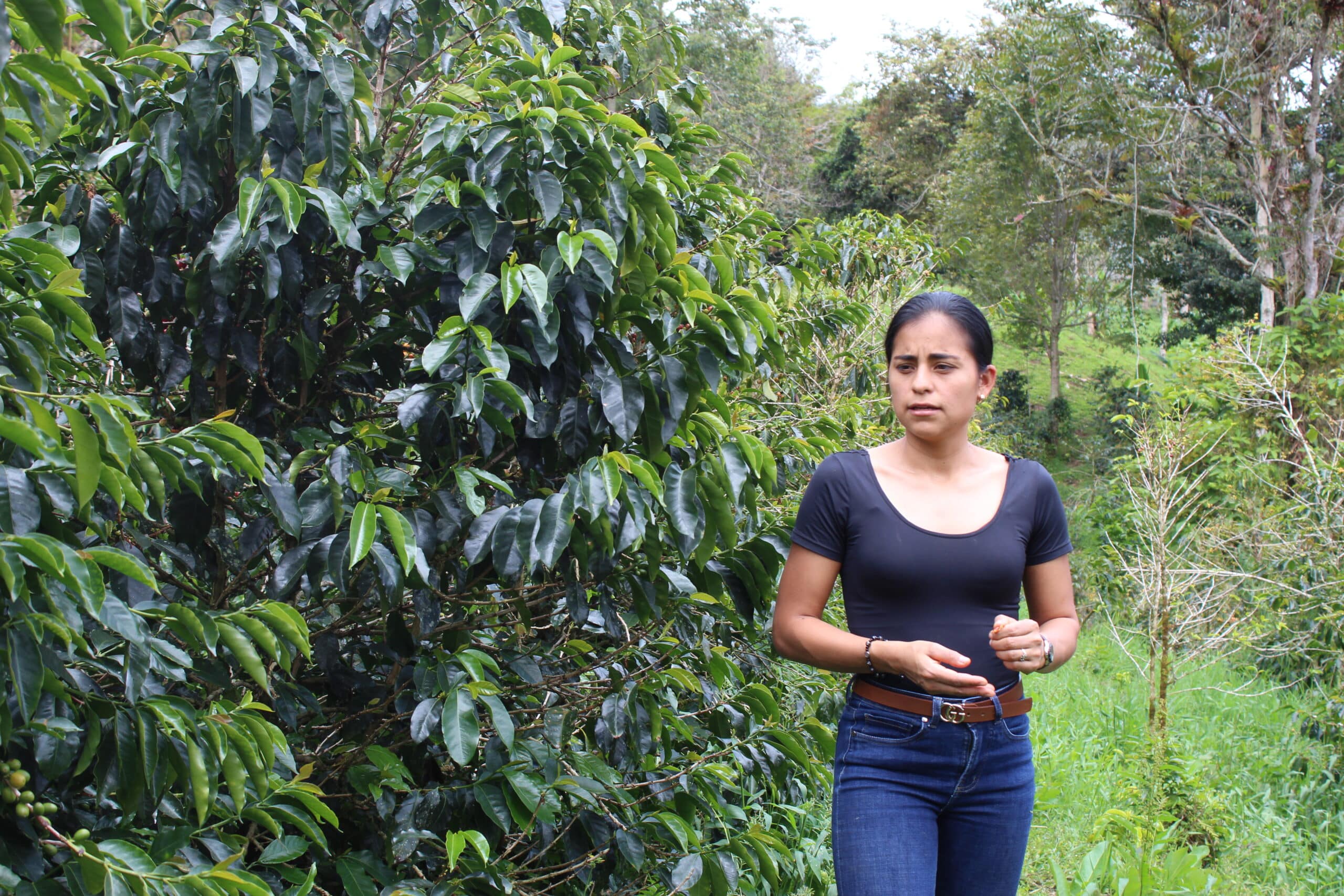
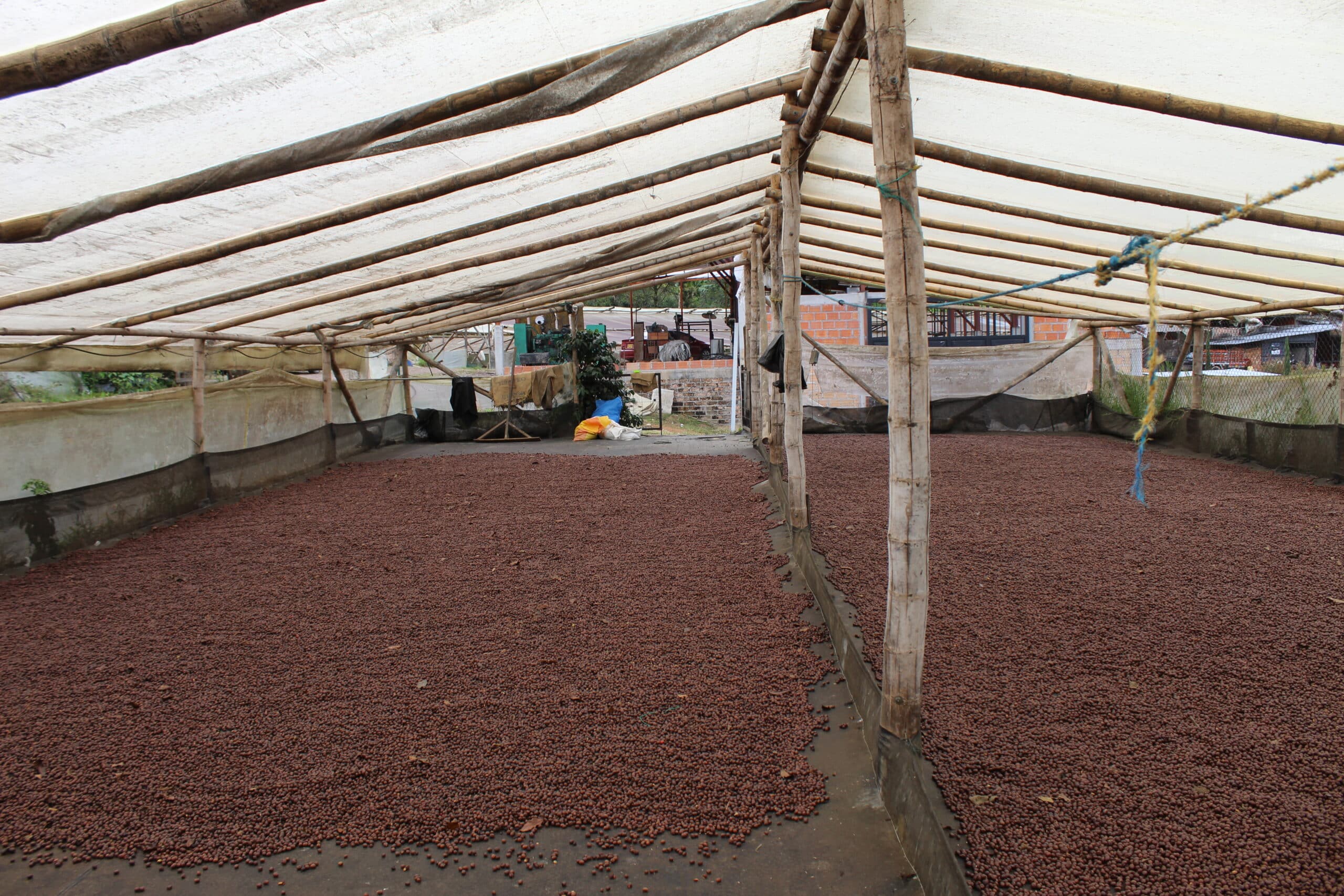
Farm Level Info. This microlot was grown by third generation coffee farmer Yulieth Mora on her coffee farm Villa Pastora in Palestina, Huila, Colombia. Yulieth Mora’s grandmother Pastora Anacona (the farm’s namesake) planted the farm’s first coffee trees in the 1980s and the family has since made a name for themselves as coffee producers dedicated to sustainable growing practices and differentiated, high quality coffee microlots. Villa Pastora is not only a hub of coffee production but also of community support for area coffee growers. They provide coffee education on various processing methods as well as drying/processing services to growers who lack the necessary infrastructure. This particular microlot was processed first with careful harvesting of ripe coffee cherries and cherry flotation, followed by a de-pulping of the coffee cherry and then a fermentation stage utilizing a strain of Saccharomyces cerevisiae yeast. The coffee was then patio-dried for 15 days.