

Ndiaini Natural
Acidity: Sweet-tart
Producer: Smallholder Farmers | Ndiaini Factory
Variety: SL28. SL34. Ruiru 11. Batian.
Growing Elevation: 1815 Meters
Processing: Natural Process. Dried on Raised Beds.
Region: Nyeri County. Kenya.
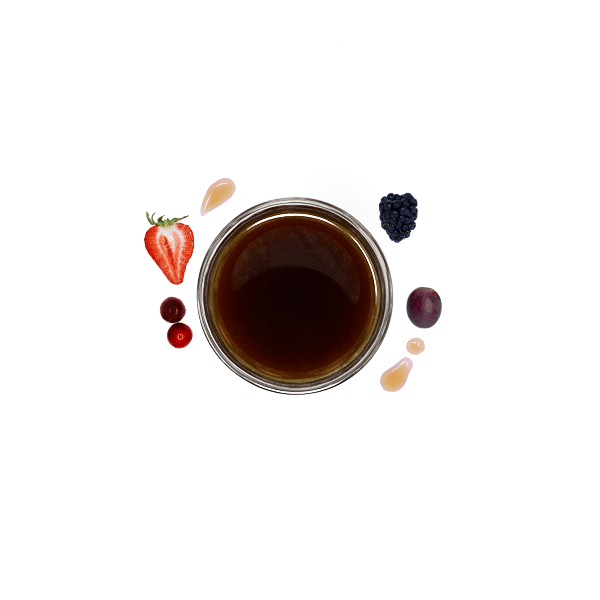
It’s an exciting first for JBC! Our first-ever natural process coffee from Kenya and it’s seriously a berrylicious stunner. Historically, natural process coffees from Kenya were basically an impossibility as the country instead heavily favored its signature double washed coffee processing method. While tradition is noteworthy, innovation is also notable and this crown jewel* coffee is a testament to what can happen when coffee producers branch out to develop new and exciting flavor profiles. While still a rarity in Kenya, this natural process coffee is all (and more) than one would expect when applying this processing method to an already berry-forward and plush coffee. The body on this coffee is crazy thick and we tasted so many plush fruit notes including blackberry syrup, strawberry cranberry jam, concord grape, maple, blueberry smoothie, and watermelon candy. It comes highly recommended from our cupping team and really is a coffee worth checking out. Enjoy!
*Crown Jewel. We aren’t the only ones who think this coffee is special.This coffee was named a crown jewel by our partners at Royal Coffee. Crown jewel coffees are distinctive, super-specialty green microlots that have been identified by the Royal cupping team as some of the best coffees on the globe.
Farm Level Info. This coffee was grown by roughly 300 smallholder farmers located near the Ndiani Factory in Nyeri County in central Kenya. The Ndiaini Coffee Factory is part of the Rumukia Farmer’s Cooperative Society, one of the region’s oldest societies since its founding in 1979. The cooperative supports hundreds of smallholder farmers through agronomic training, quality assurance, sustainability initiatives, and full traceability. Farmers here grow coffee in an ideal coffee growing climate in volcanic clay soil under the shadows of Mount Kenya.
Natural Process Explained. To start, your roasted coffee bean was originally a green coffee seed growing inside a coffee cherry on coffee trees. The coffee cherry is picked once ripe during harvesting. From there, it is processed in a variety of ways at the farm level (before it ever gets to the roaster.) Most of the coffee we drink is washed processed. In this process, the coffee cherry and mucilage are removed (by a process of de-pulping, fermentation, and washing) from the coffee seed before the coffee is dried. Natural process, conversely, refers to a coffee processing technique where the coffee is laid out to dry with the fruit of the coffee cherry intact (rather than removing the cherry skin and mucilage before drying). This creates a natural fermentation environment for the coffee and can produce very intense fruit and floral notes. If you like intense fruit and floral aromas and tasting notes (in this case think lots of berries), a natural process is a great coffee for you to try.