
El Paraíso Lychee Peach Decaf

Acidity: Crisp
Producer: Alex & Diego Bermúdez | Finca El Paraíso
Variety: Castillo
Growing Elevation: 1960 Meters
Processing: Ethyl Acetate (Sugar Cane) Decaffeination. Washed. 36-hour Anaerobic Fermentation. Thermal Shock.
Certifications: Single Variety Decaf Lot.
Region: Piendamó. Cauca. Colombia.

It’s very rare to find specialty grade decaf, much less a truly high-quality, unique decaf that rivals the complexity and character of high-end regular coffees. But look no further! This decaffeinated coffee is truly something special and successfully challenges the notion that decaf coffees can’t be unique and high-grade by managing to create a rare feat: a true specialty coffee experience sans the caffeine. This special microlot is expressive and aromatic with tasting notes of lychee, peach, dried strawberry, cardamom, yellow tropical fruit notes, cinnamon, and rosewater. If you are a decaf drinker that wishes you could elevate your coffee drinking game with a unique, fruit-forward coffee, this is the decaf for you.
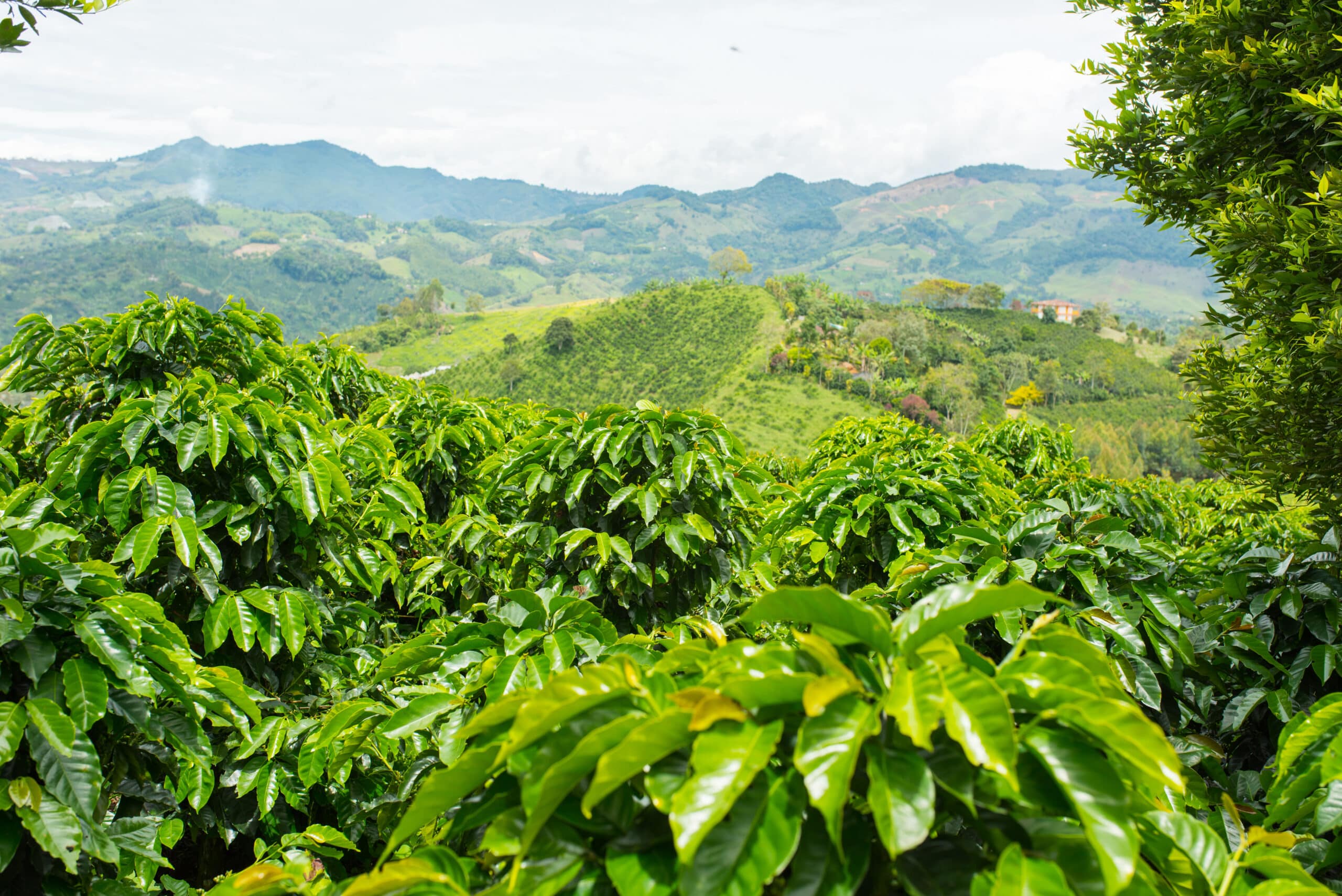
Farm Level Info. Grown by award-winning coffee producers and brothers Alex and Diego Bermúdez who are known for their innovative processing techniques, this decaffeinated microlot first started with the careful harvesting of red ripe Castillo coffee cherries. The coffee then underwent a 36-hour anaerobic fermentation in cherry which was then followed by a 12-hour secondary co-fermentation with a proprietary yeast strain developed by the Bermúdez brothers that develops the notable lychee and peach notes that really pop in this coffee. The coffee then undergoes a controlled thermal shock treatment (featuring a hot water treatment that swells the beans to absorb all the unique fruit flavors of the co-ferment and then a cold water treatment that constricts the beans to lock in all of those unique flavors.) Next, this lot undergoes an ethyl acetate, or sugarcane, decaffeination process that remarkably preserves its aromatic clarity and balance. This coffee is a game changer for decaf drinkers that have specialty coffee level tastes. Enjoy!
The ethyl acetate process explained. The ethyl acetate used in the decaffeination process of coffee is actually a naturally occurring compound derived from sugarcane that can also be found naturally in other fruits and food products like apples, pineapple, oranges, kiwi, blue cheese, potatoes etc. Ethyl acetate decaffeination is also called sugarcane process and is considered a natural method of decaffeination as opposed to using methylene chloride (a synthetic solvent). Simplest explanation of the process is that coffee seeds/beans are soaked in water and steamed to open pores, the beans are then soaked in ethyl acetate which binds to the caffeine and absorbs it, the beans are then rinsed to remove any remaining traces of the solvent. That all being said, if the ethyl acetate is not removed by rinsing (which in theory it is) it is impossible for any ethyl acetate to actually remain after the coffee is roasted. While FDA approved and considered safe in small amounts, ethyl acetate is also highly volatile and evaporates at pretty low temperatures (104 degrees.) Our coffee is roasted to 395 degrees plus and at that point, any ethyl acetate would evaporate. It is also considered to be one of the most sustainable decaffeination processes because ethyl acetate is a naturally occurring compound produced in regions where coffee is grown, lessening the environmental footprint. The other natural decaffeination process-Swiss Water-utilizes a large amount of water with a much bigger environmental footprint as there are only a few processing facilities in non-coffee growing regions. Lastly, we find that the quality of the coffee with this certain process is much better than with other decaffeination processes as is further exemplified by this special coffee.