
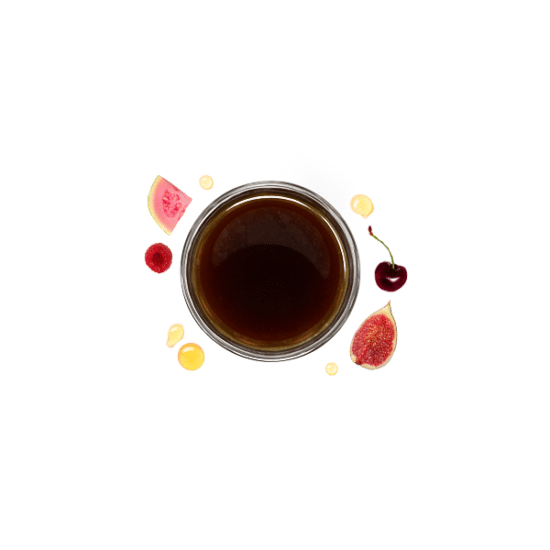
New! Wilton Benitez Red Bourbon. In this new age of super exotic coffee varieties, sometimes it’s simply one of the classics that hit the hardest. At JBC Coffee Roasters, we blind cup every single coffee offering before it comes through our doors (meticulously evaluating the fragrance/aroma, flavor, body, acidity etc of each coffee to decide if it’s worth coming here) and this coffee from the master Wilton Benitez blew us away. Before flipping the coffee tag to discover who produced this coffee and what coffee variety it was, we had many guesses as to what exotic variety produced such a sweet, jammy & fruity cup. To our surprise? One of our highest scoring Wilton coffees on the table was the classic tried and true Red Bourbon variety. Don’t be fooled, however, by the commonality of the variety! In the hands of Wilton Benitez, this direct trade microlot becomes something quite exquisite. We called this coffee candy-like and extravagant with tasting notes of jammy pink fruits, black cherry, wildflower honey, strawberries + cream, bubblegum, and roses. If you love our Wilton offerings, this special coffee is definitely not one to sleep on. Supplies are limited so we highly recommend snagging a bag or two today. Enjoy!
Farm Level Info. Wilton Benitez is at the forefront of innovation in coffee processing and is doing amazing things to create unique and masterful flavors. He is a chemical engineer turned high-end coffee grower and his science background, coupled with decades of experience in coffee growing/tasting, have led to some of the most unique coffees we’ve experienced. Selectively harvested ripe cherries are first sterilized with ozonated water in a chamber that also separates the coffee cherry based on bean size and removes foreign material. The coffee is then sterilized with ultraviolet and a second separator further works to rid the lot of any unripe cherries. This particular lot then underwent a thermal shock treatment while in cherry form where it was hit first with hot water and then with cold water. During this phase there are numerous biochemical changes occuring in the coffee, impacting flavors and the next fermentation stages. This lot of coffee was then depulped and next underwent a double anaerobic yeast fermentation in bioreactors. After this, a second thermal shock treatment took place after which the coffee seeds were gently washed, stopping the fermentation (essentially locking in the flavors). The coffee then underwent controlled drying in ecological drying chambers until the beans reached 10.5% internal humidity.
Unparalleled quality, a human story, and sustainability – that’s our coffee philosophy.