Edwin Noreña Carbonic Honey Geisha
Acidity: Sparkling
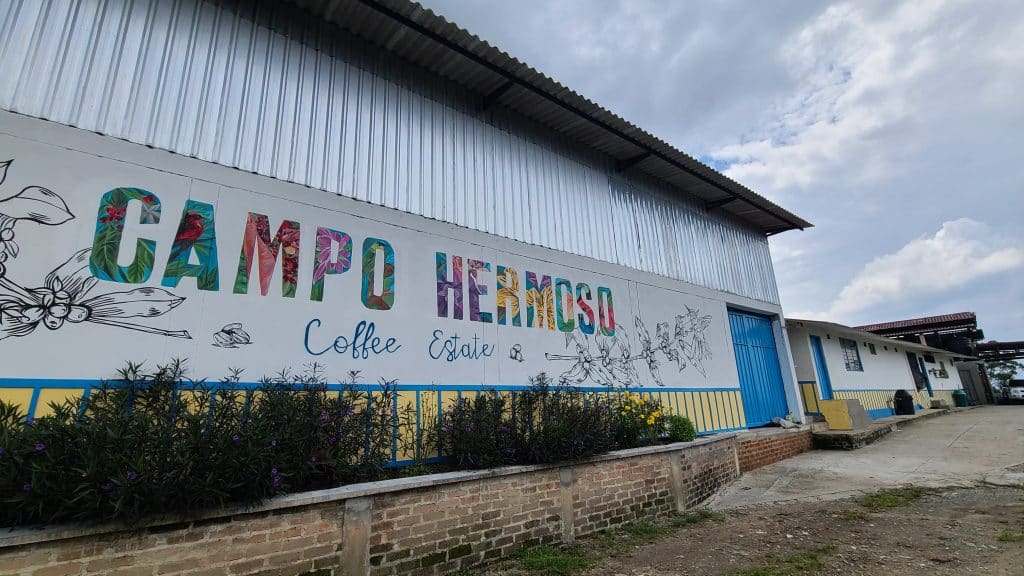
Producer: Edwin Noreña | Finca Campo Hermoso
Variety: Geisha/Gesha
Growing Elevation: 1500-1750 Meters
Processing: Honey process, triple fermented with added coffee cherry must
Certifications: Single Farmer Lot. Single Variety Lot.
Region: Circasia. Quindío. Colombia.

This is our first time working with notable coffee producer Edwin Noreña and we couldn’t be more excited to share this ethereal coffee. This special Geisha microlot, an inoculated carbonic honey processed coffee from his farm Campo Hermoso, boasts sparkling botanicals and a delightfully lingering satiny finish. Our friends at Royal describe it well by saying this coffee is “what you’d expect and more from a coffee with a storied provenance, an incomparable producer, and an extravagant processing technique. It really nails the spectrum of the coffee flower bouquet without coming across as perfume-like or artificial.” Our cuppers identified so many complex floral and fruit notes in this coffee including pomegranate, rosewater, candied ginger, rosemary, jasmine, honey, watermelon, and hops. If you’re after a floral and sophisticated tasting experience, this evocative and unique coffee is for you.
Farm Level/Coffee Processing Info. A fourth generation farmer and coffee processing innovator, Edwin Noreña is describe as one of Colombia’s true processing obsessives. Nicknamed “El Alquimista” (the alchemist), Noreña is an agroindustrial engineer by trade who is a well-connected and highly aspirational coffee producer focusing on pairing very specific cultivars with very specific processing methods designed to express the most surprising, memorable, and delicious coffee experiences possible. This particular coffee is a honey process microlot that started with carefully harvesting red ripe Geisha coffee cherries from Edwin’s 15 hectare farm in Quindío, Colombia. The coffee cherry was then fermented three times, utilizing the coffee cherry’s own fermentation byproduct (known as must-or mossto in Spanish) during the third fermentation.
Three distinct fermentations:
- The first fermentation features coffee cherry fermented on its own in tanks for 24 hours with limited oxygen.
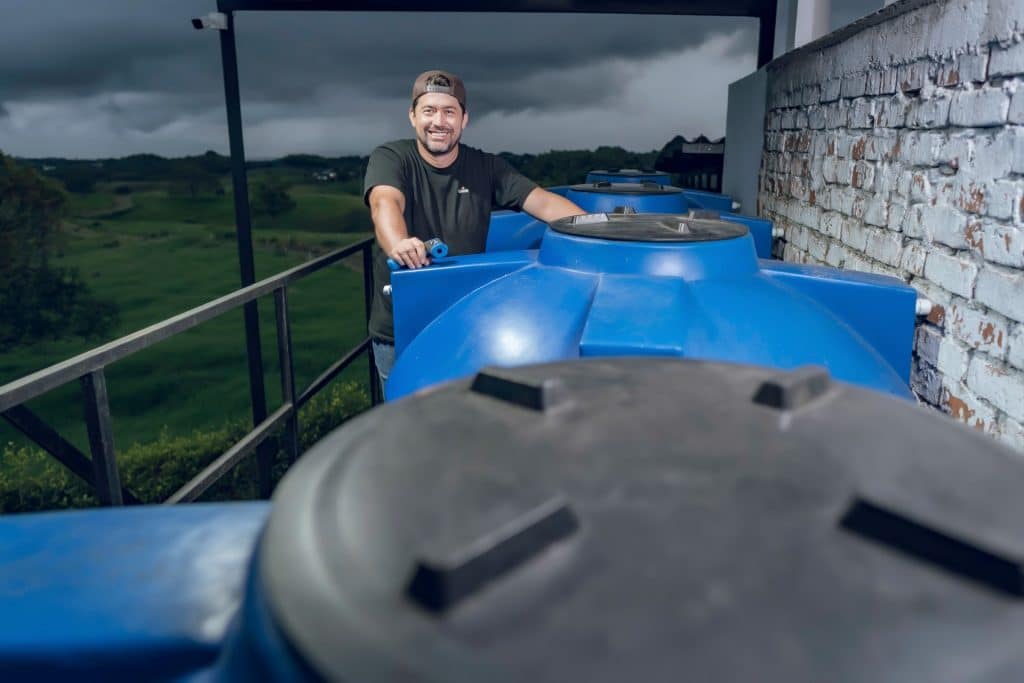
- The second fermentation is a carbonic anaerobic fermentation where coffee cherries are fermented in sealed tanks devoid of oxygen and rich in carbon dioxide. During this stage, a concentrated, sugary run-off develops known as must (not unlike the must that develops from freshly smashed grapes/skins in wine-making) which is then collected and fermented.
- The third fermentation stage includes adding the fermented must to the coffee cherries for a 72 hour fermentation. This mimics a co-ferment process but is unique in that unlike adding additional foreign fruits or yeast strains, the fermentation process uses nothing but the coffee itself in the process.
After these three distinct fermentation stages take place, the coffee is then lightly depulped (leaving most of the mucilage intact) for a honey process finish where the coffee is then dried on raised beds. Processing, particularly the fermentation step, always interested Edwin because of its potential to transform raw coffee seeds into a remarkably unique sensory experience. A breakthrough moment for him was realizing that the sugary, residual liquid (the must) produced during coffee fermentation could be used again in subsequent fermentations to add natural sugars that create a distinctive flavor profile.
Sustainable & Environmentally-Friendly. Edwin Noreña is not only making a name for himself as an innovator in coffee processing but also for his dedication to sustainable and environmentally-friendly growing and processing practices.
- Edwin’s processing methods eliminate the need for water intervention (unlike typical washed processing methods which utilize large amounts of water.)
- He utilizes the coffee cascara (the husk or skin of the coffee cherry fruit that is often discarded) for organic compost and fertilizer
- He has transitioned his coffee processing plant to solar energy.