El Proceso Chiroso-16 Hr Fermentation
Acidity: Bright
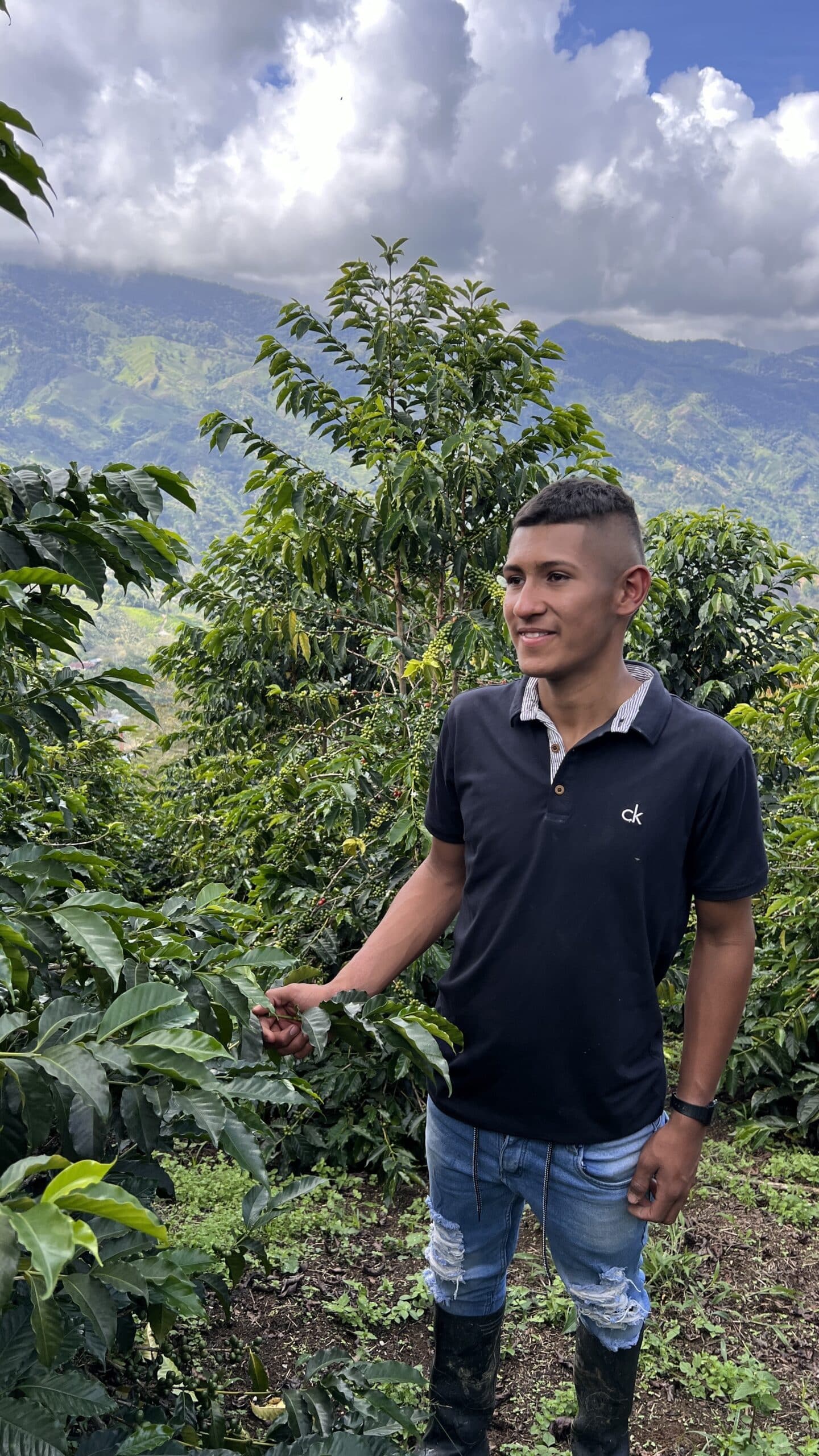
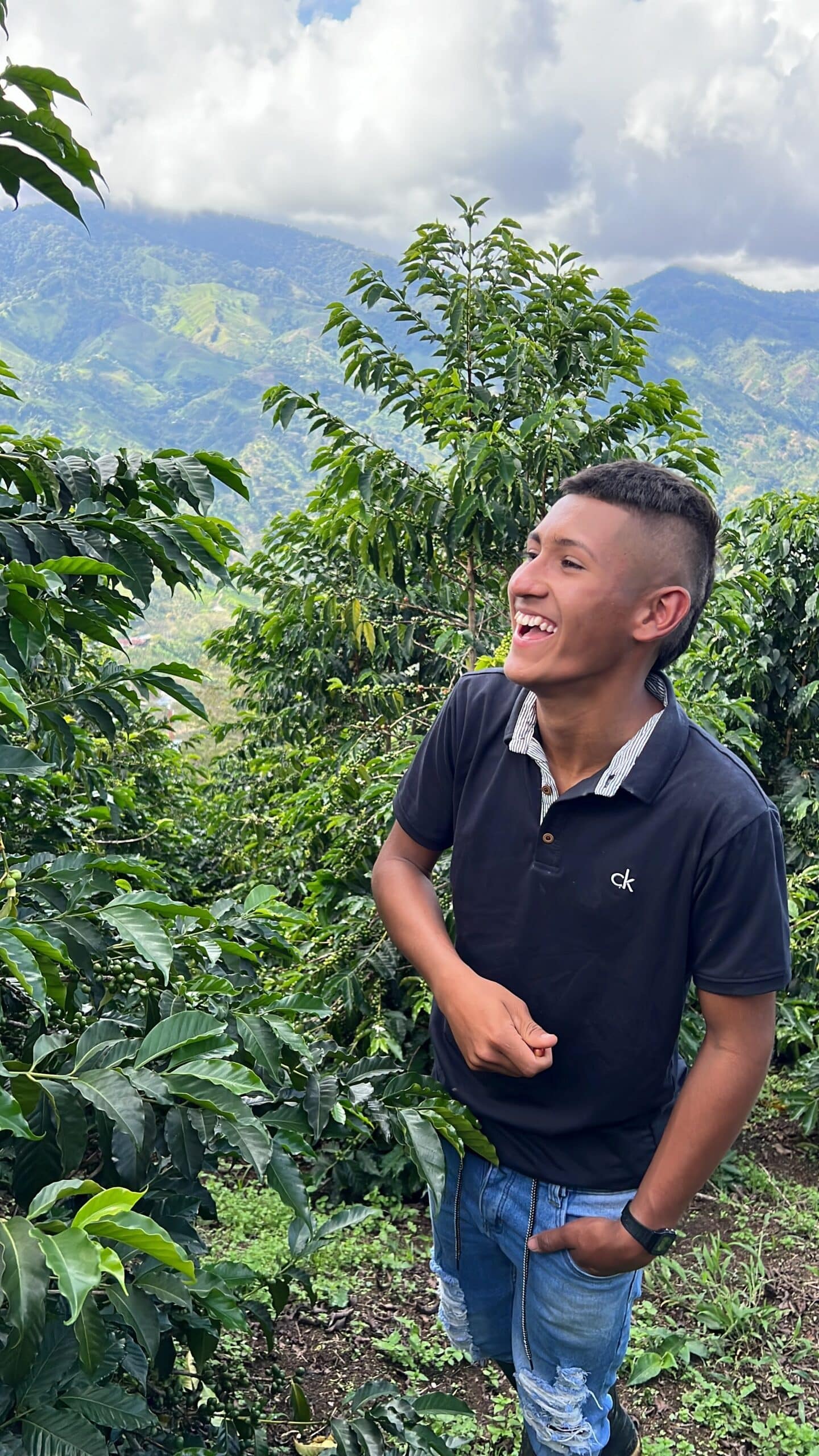
Producer: Stiven Vargas Rojas & Jorge Elias Rojas Vásquez
Variety: Chiroso
Growing Elevation: 2050 Meters
Processing: Washed. 16 Hour Fermentation
Certifications: Single Farmer Lot. Single Variety Lot.
Region: Planadas. Tolima. Colombia.

A second Chiroso lot from cousins Stiven Vargas Rojas and Jorge Elias Rojas Vásquez-with a slight fermentation tweak for a sparkling orange and strawberry win. This coffee is a stunner with tasting notes of orange zest, strawberry sauce, lotus blossom, and green apple. If you are a lover of a sparkling acidity with a super creamy body, this microlot is for you! It is truly yet another special coffee hailing from a small but mighty farm in the beautiful coffee growing region of Tolima, Colombia.
About the Variety-Shrouded in Mystery. There is little known about how the Chiroso variety made its way to where it was discovered growing wildly in Urrao, Antioquia, Colombia. The genetics of the coffee say it is most closely related to Ethiopia Landrace varieties, yet here it was discovered in the mountains of Colombia growing along side more common varieties like Caturra. No one knows how it got there. What is known, is that this rare variety offers up an elevated cup quality that mimics the florality of the geisha variety and the sweetness/silky body of the Pink Bourbon variety. The name Chiroso means “big” or “bumpy” and is thought to be named because its elongated shape resembles achiras, a traditional and imperfectly shaped Colombian biscuit. While there is much to learn about how this variety found its way to Colombia, what we do know is that the cup value and sensory characteristics speak for themselves.
Farm Level Info. This microlot underwent a 16 hour fermentation process. After red ripe cherries are harvested, the coffee is first floated to remove under ripe cherries, along with leaves, sticks, and other foreign materials. The coffee cherries were then pulped and fermented overnight for 16 hours. Next the coffee was fully washed, after which the coffee is laid out on drying beds in traditional Marquesinas, where the coffee is stirred frequently to ensure even drying.